
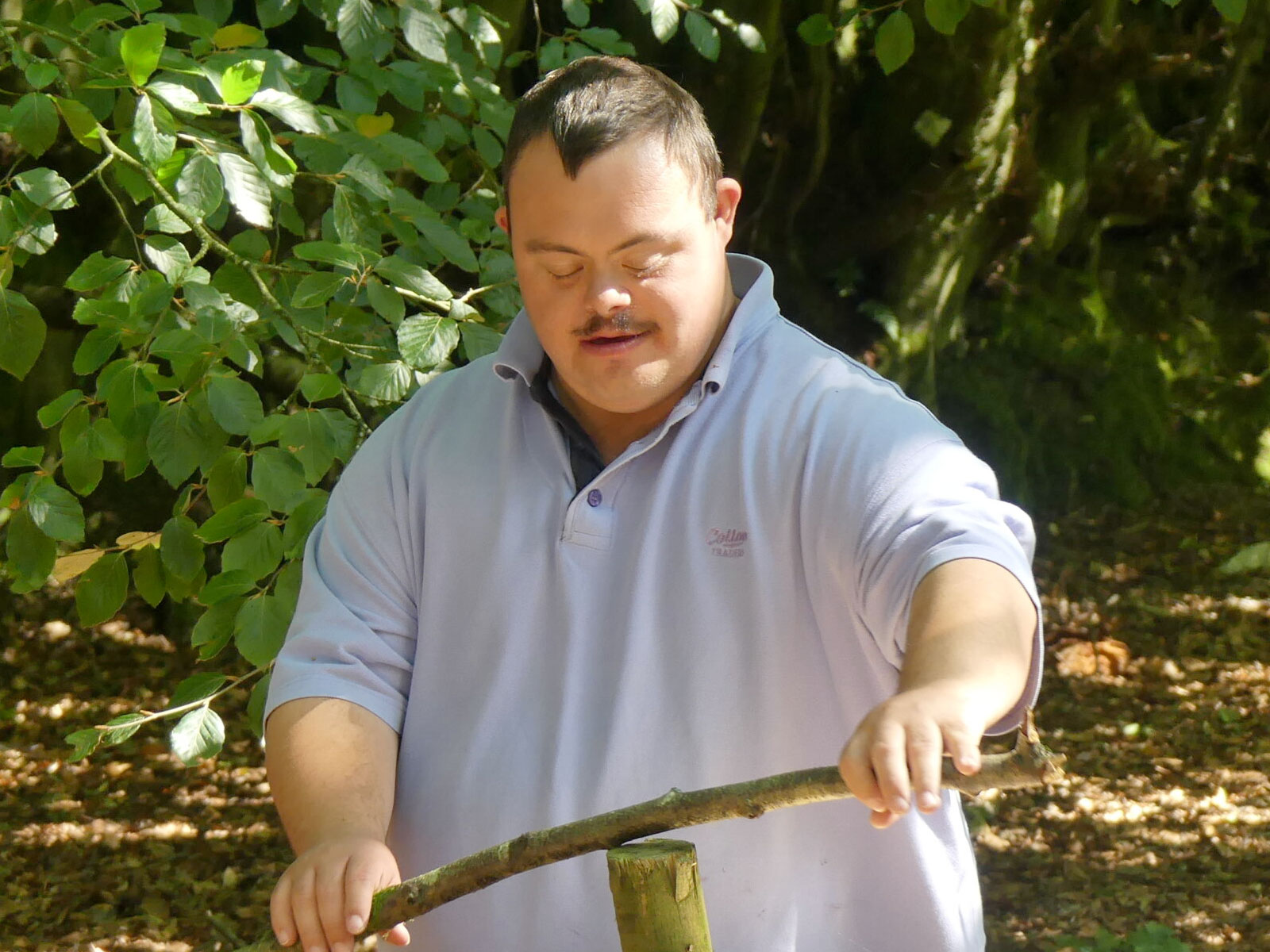
Put simply, outdoor and adventure therapy refers to the use of outdoor and adventure-based activities to deliver therapeutic benefits to our participants.
We harnesses the power of nature and the outdoors to provide cognitive and physical experiences that engage our beneficiaries on an emotional level. Various challenges can help people to overcome perceived limitations, strengthen their resilience and improve their confidence and self-esteem. These interventions are structured and use recognised therapeutic knowledge and skills and foster positive mental health and wellbeing.
Whereas nature can be used solely for an activity and as a setting for challenge, we recognise how it can reduce anxiety and lead to emotional changes. We design sessions that engage with the regulatory effects of spending time outdoors, including the ways it affects the senses (e.g. the sound of birdsong, the scent of flowers, the taste of salt air and tactile responses (such as the feel of sand beneath feet); the stillness, ecological connection and tranquillity of the surroundings. This means the natural environment becomes a partner and not simply a backdrop.
This contributes to nature based interventions across education, social care and mental health services where they now recognise the importance of evidence-based interventions, often referring to social prescribing, blue or green therapy.
Our sessions may combine mental and physical challenges, where our beneficiaries can explore and work through psychological, emotional, and behavioural challenges in an uplifting and supportive environment.
The benefits of being outside
Outdoor and adventure therapy is often referred to as activity-based counselling. However, as a charity, we also work alongside individuals or groups who need nothing more than an opportunity to get outside, in an environment which may be unfamiliar. A chance to interact with family or friends and learn new skills through physical and emotional experiences.

The things we often take for granted in life, such as going for a walk or hike in the countryside, cycling a forest trail or enjoying activities in the sea, can lift spirits, boost energy levels and help people to gain a new perspective. We are there to help people who may struggle to participate overcome obstacles – and take part.
A complimentary approach
While outdoor and adventure therapy is not a direct replacement for statutory or clinical mental health care, it can be treated as a complementary approach. And for some, where traditional forms of mental health support have failed, Adventure Therapy can help people to gain a new perspective where we improve, transform or help to save lives as crisis point approaches.
Depending on the activity, our sessions are usually between two and four hours. However, unlike traditional forms of therapy, time is not spent talking in a clinical or indoor environment. It’s spent outdoors in nature and adventure, where there is the opportunity to experience an exciting activity and talk, learn and interact through a shoulder-to-shoulder approach and co-regulation.
Our beneficiaries become self-aware and recognise when things have been accomplished: scaling a rockface, paddling a kayak along the coast, being in the sea and surfing a wave for the first time, hitting the target with an arrow. Facing initial (and understandable) trepidation: abseiling, riding a horse or jumping from rocks into the sea. Interacting with others and forging friendships.

Every day challenges
Often, the challenges we face in an outdoor environment can be directly reflected in those that we all face in every day life. It is important to recognise that experiences can be relative to real-life situations and can help individuals to overcome obstacles and to grow, personally.
Importantly, our participants are instrumental in their own treatment: their level of involvement can have a direct impact on its outcome. And vitally, our activities are fun to be part of!